

Unraveling the Hidden Culprits: The Root Causes of Back Pain
7th Jun 2023
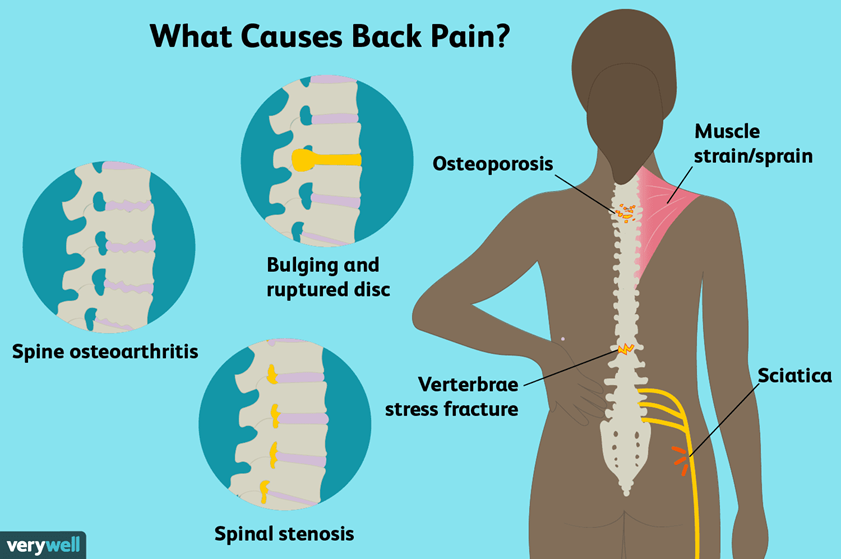
Back pain is a prevalent ailment that affects people of all ages, backgrounds, and lifestyles. It can range from mild discomfort to debilitating agony, hindering our daily activities and overall quality of life. While many attribute back pain to strenuous physical activities or injuries, it's essential to recognize that various factors can contribute to its development. In this blog, we will explore some of the lesser-known causes of back pain and shed light on the underlying culprits that may be responsible.
1. Poor Posture - One of the primary culprits behind
back pain is poor posture. In today's sedentary lifestyle, where hours are
spent hunched over desks or slouched on couches, our posture takes a hit.
Incorrect alignment of the spine puts excessive strain on the muscles,
ligaments, and discs, leading to discomfort and pain. Maintaining a neutral
spine position and incorporating ergonomics into our daily routines can significantly
alleviate the strain on our backs.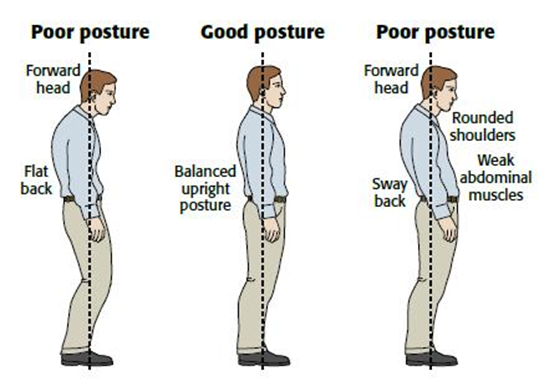
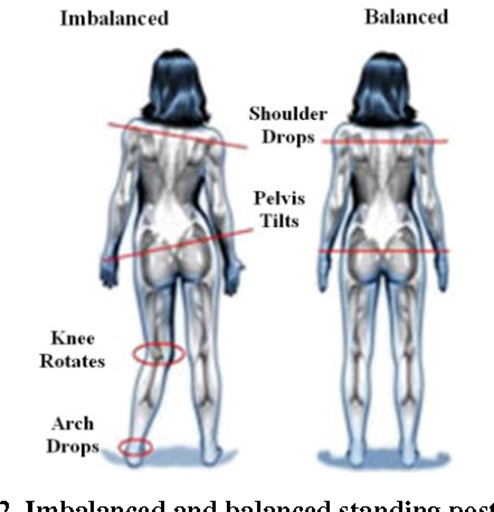
2. Muscle Imbalances - Muscle imbalances occur when certain muscles become stronger or weaker than their counterparts, leading to poor spinal alignment. For instance, weak abdominal muscles combined with tight hip flexors can result in an excessive arch in the lower back, causing pain. Regular exercise that targets the core muscles, along with stretching and flexibility training, can help restore the balance and alleviate back pain.
3. Sedentary Lifestyle - A sedentary lifestyle
devoid of physical activity can contribute to back pain. Lack of movement
weakens the supporting muscles of the back, including the abdominals, glutes,
and spinal erectors. Additionally, prolonged sitting puts increased pressure on
the intervertebral discs and can lead to disc degeneration. Incorporating
regular exercise, stretching, and breaks from sitting throughout the day can
counteract the negative effects of a sedentary lifestyle.
4. Vitamin
deficiencies can play a role in various health conditions, including back pain.
While there are several vitamins that contribute to overall musculoskeletal
health, here are three specific ones that, when deficient, can potentially lead
to low back pain:
A. Vitamin D
- Vitamin D deficiency can lead to:
- Bone pain
- Inflammation
- Soft bone
- Skeletal problems in children
* Magnesium deficiency and boron deficiency can interfere with your vitamin D levels and can lead to back problems, as well.
Recommended to take: D3 Serum ; Magnesium
- Vitamin K2 deficiency can lead to:
- Stenosis
- Arthritis
- Bone spurs
- Calcium deposits
* Vitamin K2 and vitamin D
work together.
Recommended to take: D3+K2
- Vitamin E deficiency can lead to:
- Back weakness
- Atrophy
* Avoid tocopherols and try a tocotrienol
complex or wheat germ oil instead.
Recommended to take: Deltanol
Ideal Health Support for the Following Conditions:
- High Cholesterol, Abnormal Lipid Panels, Heart Arrhythmia
- Cardiovascular Disease
- Chronic Inflammation
- Familial Dysautonomia
- Metabolic Syndrome
- Prostate, Skin and Breast Cancer
D. Manganese
- Manganese deficiency can lead to:
- Disc problems
- Collagen problems
*Increased risk of scoliosis
Recommended to take: Multi-Vitamin,
Premier Dietary Supplement
5. Excessive Weight and Other things that can cause
back pain: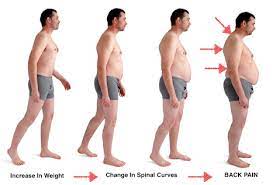
- Consuming omega-6 fatty acids and not consuming enough omega-3 fatty acids
- A diet high in sugar and carbs
- Kidney stones
- Gallstones
Recommended to take: Turmeric Capsules ; Fermented Turmeric both anti-inflammatory; Premier Complete B Capsules