

Unlocking the Marvels of Magnesium: Exploring Its Numerous Benefits
12th Jun 2023
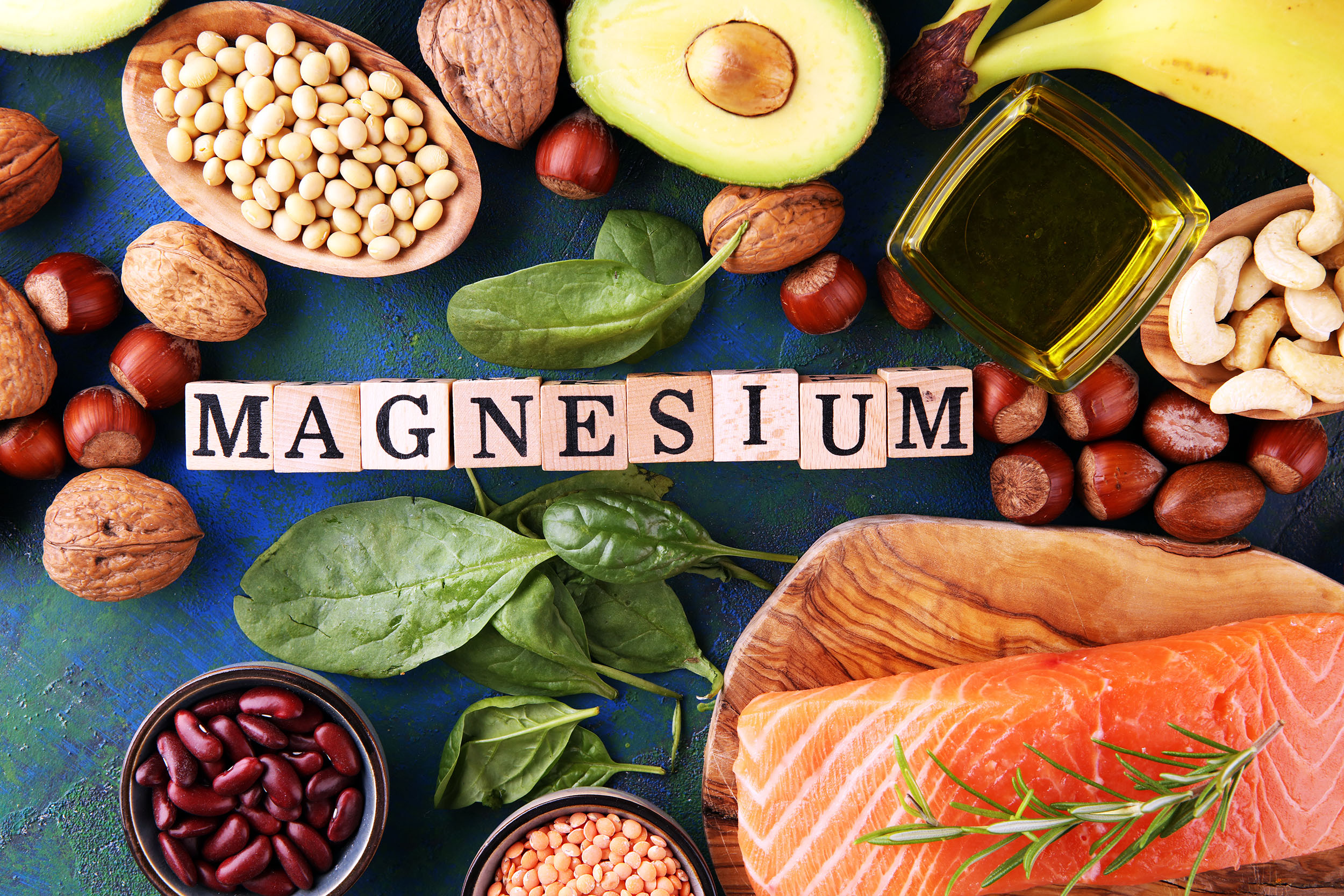
In the realm of essential minerals, magnesium stands out as a true marvel. This remarkable nutrient plays a crucial role in various bodily functions, acting as a catalyst for over 300 enzymatic reactions. From supporting bone health to enhancing brain function and promoting cardiovascular well-being, magnesium offers a wide range of benefits that shouldn't be overlooked. In this blog post, we will delve into the fascinating world of magnesium and uncover its numerous advantages for our overall health and well-being.
Magnesium is one of the most abundant minerals in our body and is considered an essential mineral in regulating muscle contractions, blood pressure, insulin balance, nerve conduction, and neuromuscular signal transmission.
- Essential for Bone Health: One of the primary benefits of magnesium is its pivotal role in maintaining strong and healthy bones. This mineral helps regulate calcium levels in the body and aids in the absorption and metabolism of vitamin D, which is crucial for bone formation. By ensuring optimal calcium utilization, magnesium contributes to the prevention of osteoporosis and reduces the risk of fractures, making it an indispensable nutrient for bone health.

- Supports Heart Health: Magnesium plays a vital role in maintaining a healthy heart and cardiovascular system. It helps regulate blood pressure by relaxing and dilating blood vessels, thereby reducing resistance to blood flow. Additionally, magnesium supports the rhythm and electrical activity of the heart, preventing irregular heartbeats and reducing the risk of cardiovascular diseases, such as heart attacks and strokes.

- Enhances Brain Function: The brain is another area that benefits greatly from magnesium. This essential mineral plays a crucial role in supporting cognitive function and has been linked to memory enhancement, learning ability, and overall brain health. Magnesium helps maintain the structural integrity of brain cells and promotes the transmission of signals between neurons, which is essential for optimal brain function.

- Reduces Stress and Anxiety: Magnesium has been shown to have a calming effect on the nervous system, making it an excellent natural remedy for stress and anxiety. It helps regulate the production of stress hormones like cortisol and supports the function of the neurotransmitters that promote relaxation and calmness. Adequate magnesium levels have been associated with improved mood, reduced anxiety, and better sleep quality.

- Promotes Muscle Relaxation and Recovery: Muscle function and recovery are closely linked to magnesium levels in the body. This mineral helps relax and regulate muscle contractions by balancing calcium levels. It plays a significant role in preventing muscle cramps, spasms, and fatigue, particularly in athletes or individuals engaged in intense physical activities. Magnesium also aids in post-exercise muscle recovery and reduces muscle soreness.

- Regulates Blood Sugar Levels: Maintaining stable blood sugar levels is vital for overall health, especially for individuals with diabetes or insulin resistance. Magnesium plays a critical role in carbohydrate metabolism and insulin sensitivity. It helps regulate blood glucose levels by assisting insulin in transporting glucose into cells for energy production. Adequate magnesium intake has been associated with a reduced risk of type 2 diabetes.

Magnesium Rich Foods
Magnesium is primarily found in leafy green vegetables, nuts, legumes, and whole grains. It can also be found in fish, poultry, and beef. Popular food sources of magnesium include:

Recommended Products:
2. AllerCaps Dietary Supplement
4. Max B-ND Dietary Supplement