
Harnessing the Power of Intermittent Fasting and Coconut Oil for Weight Loss Success
2nd Aug 2023

We will explore how the combination of intermittent fasting and coconut oil can accelerate your weight loss journey. This powerful duo has garnered attention in recent years due to their potential health benefits and ability to support sustainable weight loss. In this guide, we'll delve into the science behind both practices and provide practical tips on how to integrate them into your lifestyle for maximum effectiveness.
Understanding Intermittent Fasting
-What is Intermittent Fasting?
A brief introduction to intermittent fasting and its various methods, including
the 16/8, 5:2, and Eat-Stop-Eat approaches. We'll explore the physiological
changes that occur during fasting and how it influences weight loss.
-Benefits of Intermittent Fasting
Delve into the
research-backed benefits of intermittent fasting, such as improved insulin
sensitivity, increased fat burning, and enhanced metabolic health.
Getting Started with Intermittent Fasting
1. Assessing Your Readiness
Before diving into intermittent fasting, we'll help you assess if it's the right approach for you. We'll cover important considerations and potential challenges you may encounter along the way.
a. Health Conditions: If you have any pre-existing health conditions, it's crucial to consult with a healthcare professional before starting intermittent fasting. Conditions like diabetes, hypoglycemia, or a history of eating disorders may require careful monitoring and personalized guidance.
b. Current Medications: Certain medications may need to be taken with food, and fasting could interfere with their absorption or effectiveness.
c. Lifestyle and Schedule: Consider your daily routine and commitments. Intermittent fasting may require adjustments to your eating habits, and it's essential to find a fasting schedule that aligns with your lifestyle.
d. Eating Habits: Reflect on your current eating habits and relationship with food. If you frequently rely on processed or unhealthy foods, it may be helpful to gradually transition to a healthier diet before starting intermittent fasting.
e. Emotional Well-being: Intermittent fasting can trigger feelings of hunger and cravings, especially in the beginning. Assess your emotional well-being and coping mechanisms to ensure you can handle these challenges.
f. Support System: Having a support system can make a significant difference in your success with intermittent fasting. Seek support from friends, family, or online communities who understand and encourage your goals.
g. Realistic Expectations: Understand that weight loss with intermittent fasting is not a quick fix. Set realistic and sustainable goals to avoid disappointment or frustration
h. Personal Motivation: Identify your reasons for wanting to try intermittent fasting. Whether it's weight loss, improved health, or increased energy, having clear motivations can help you stay committed.
2. Creating a Fasting Schedule
Explore different fasting schedules and find the one that suits your lifestyle and preferences best.
****
You have a feeding window and a fasting window. NO SNACKING.
However, during your eating window of meat. Eggs and butter you eat until you are sufficiently STUFFED.
Then NO MORE FOOD until your next feeding window.
Again, same thing. Eating until you’re sufficiently stuffed.
Protein and high fat is the key. NO BREAD. RICE. PASTA SAUCES ETC. THe only food you eat is if it comes from an ANIMAL. This means you are eating only two Meals a day.
NO SNACKING as that will kick you out of your fast.
3. Combining Intermittent Fasting with a Balanced Diet
4. Best Foods for Weight Loss - When it comes to weight loss, choosing the right foods is crucial. Opting for nutrient-dense, low-calorie options can help you feel fuller, maintain energy levels, and support your overall health. Here are some of the best foods for weight loss:
a. Leafy Greens: Leafy greens like spinach, kale, arugula, and Swiss chard are low in calories and high in fiber, vitamins, and minerals.
b. Cruciferous Vegetables: Broccoli, cauliflower, Brussels sprouts, and cabbage are excellent choices for weight loss.
c. Lean Proteins: Incorporate lean protein sources like chicken breast, turkey, fish, tempeh, and legumes.
d. Nuts and Seeds: Despite being calorie-dense, nuts and seeds can be beneficial for weight loss when consumed in moderation
e. Eggs: Eggs are a great source of high-quality protein and essential nutrients. They can help you feel full and satisfied, reducing the likelihood of overeating.
f. Avocado: Avocado is a healthy source of monounsaturated fats, which can help you feel satiated and satisfied.
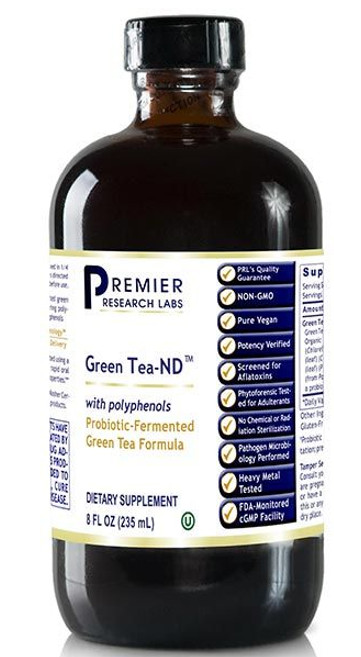
g. Green Tea: Green tea contains catechins and caffeine, which can potentially aid in boosting metabolism and fat oxidation.
The Power of Coconut Oil
-Why Coconut Oil?
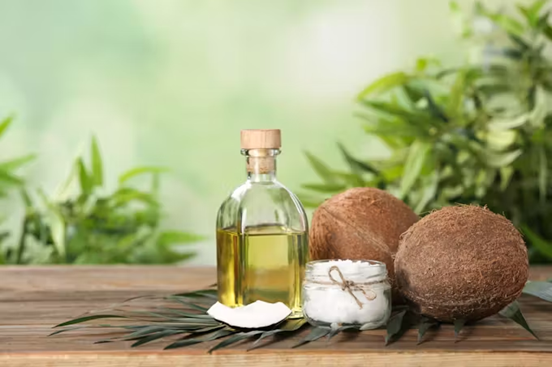
Learn about the unique
properties of coconut oil that set it apart from other cooking oils. From
medium-chain triglycerides (MCTs) to lauric acid, we'll explore how these
components can support your weight loss goals.
Medium-Chain Triglycerides (MCTs):
Coconut oil contains a higher proportion of MCTs compared to most other dietary fats. MCTs are easily absorbed by the body and transported directly to the liver, where they are quickly converted into energy. Unlike long-chain triglycerides (LCTs), which are found in many other oils, MCTs are less likely to be stored as body fat.
The rapid conversion of MCTs into energy can increase thermogenesis, which is the process of generating heat in the body. This, in turn, may help boost metabolism and increase the number of calories burned during digestion.
Moreover, MCTs have been shown to promote a feeling of fullness and satiety, which can help reduce overall calorie intake and curb overeating, potentially supporting weight loss efforts.
-Health Benefits of Coconut Oil
Discover the various health benefits of coconut oil, including its potential to boost metabolism, reduce appetite, and promote heart health.
a. Boosts Metabolism
b. Reduces Appetite
c. Supports Heart Health
d. Antimicrobial and Anti-Inflammatory Properties
e. Skin and Hair Health: Coconut oil is often used topically for its moisturizing and protective properties. It can help improve skin hydration, reduce water loss, and protect against damage from environmental factors.
Maximizing Weight Loss with Intermittent Fasting and Coconut Oil
-Understanding Caloric Intake and Portion Control
Learn how to maintain a calorie deficit while enjoying the benefits of coconut oil.
-Combining Exercise with Intermittent Fasting and Coconut Oil
Explore the synergy between exercise, intermittent fasting, and coconut oil to enhance fat burning and improve overall fitness. We'll recommend suitable workout routines to complement your weight loss efforts.
Overcoming Challenges and Staying Consistent
-Dealing with Plateaus
Plateaus are a common occurrence during weight loss. Discover strategies to break through these periods and keep progressing toward your goals.
-Maintaining a Healthy Lifestyle Beyond Weight Loss
Learn how to transition from a weight loss-focused approach to a sustainable, long-term healthy lifestyle that incorporates intermittent fasting and coconut oil.
Intermittent fasting,
combined with the potent benefits of coconut oil, can be a game-changer in your
weight loss journey. As you embark on this transformative path, remember to
listen to your body, stay consistent, and celebrate your successes along the
way. With dedication and the right approach, you'll be well on your way to
achieving your weight loss goals and enjoying improved overall well-being.
Recommended Products:
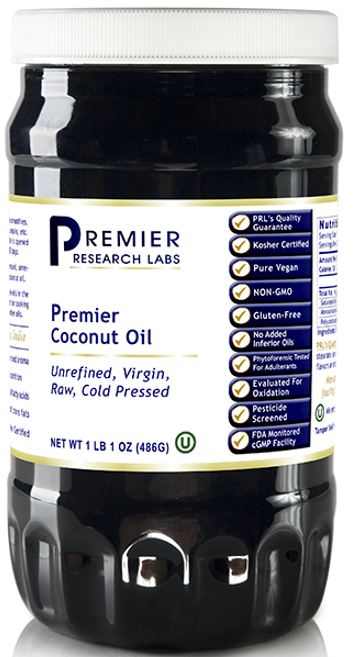
Coconut Oil, Premier Virgin, unprocessed raw coconut oil - healthy blood lipids, skin support